Maybe this is meaningful, since I was thinking about con-artists, and maybe not…but I did not know what I was drawing or why until hours later…
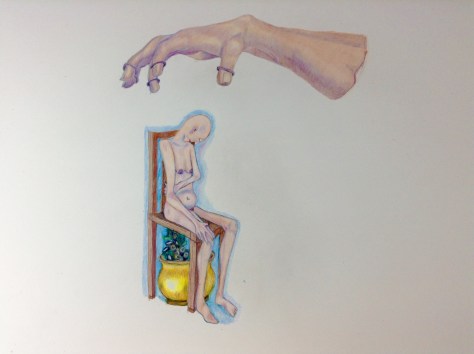

Maybe this is meaningful, since I was thinking about con-artists, and maybe not…but I did not know what I was drawing or why until hours later…


My comment to JulieMadBlogger who wrote this was: This is the single most ALIVE, VIBRANT, MOST TRUTH-TELLING piece on the consequences of hospitalization and treatment for EDs (but not for binge eating,) that I have ever read. Read on and you will see why.
Hello! Wow, I have heard this question so frequently. I can’t necessarily say why this happens to every single person who has asked this question. However, I can suggest a few possible explanations as to why this happens so frequently.
Does eating disorders “care” really address binge eating?
I haven’t run the circuit of treatment centers, but from what I have seen, these places address two thing: 1. They restore weight by forceful means. 2. They try to stop you from throwing up by invading your privacy. That doesn’t exactly sound helpful to me. In fact, it sounds downright awful!
Maybe the whole time you were in there, you wondered if you would go back to binge eating upon leaving. This fear may have loomed in your mind the whole time. Since all discussion of binge eating is discouraged, you keep that fear to yourself. If this is your very…
View original post 1,733 more words

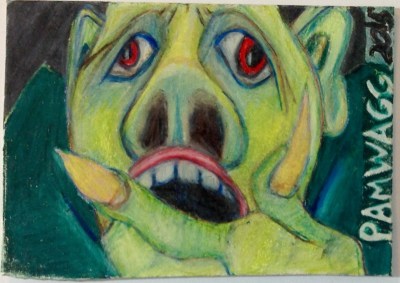
2.5″ by 3.5″ in Caran d’Ache colored pencils
Psychiatric Disorders Associated With Epilepsy
Author: Fahad Salih Algreeshah, MD; Chief Editor: Jose E Cavazos, MD, PhD, FAAN, FANA, FACNS more…
Updated: Oct 28, 2013
Overview
The International League Against Epilepsy (ILAE) and the International Bureau for Epilepsy (IBE) define epilepsy as a disorder of the brain characterized by an enduring predisposition to generate epileptic seizures and by the biologic, cognitive, psychological, and social consequences of this condition. This association may reflect the anatomical and neurobiological source of both epileptic seizures and the behavioral manifestations.
Antiepileptic drugs (AEDs) can play a role in the genesis of psychiatric symptoms; on the other hand, some psychotropic medications can lower the seizure threshold and provoke epileptic seizures.
Indeed, there is a general agreement that the incidence of neurobehavioral disorders is higher in patients with epilepsy than in the general population, although some authors argue that this apparent overrepresentation is due to sampling errors or inadequate control groups. Many, but not all, authors also accept the proposition that the link between neurobehavioral disorders and temporal lobe or complex partial epilepsy is particularly strong.
Go to Epilepsy and Seizures for an overview of this topic. Additionally, go to Psychogenic Nonepileptic Seizures for complete information on this topic.
Factors in the relationship between epilepsy and behavioral disorders
Mechanisms for a relationship between epilepsy and behavioral disorders include the following:
Common neuropathology
Genetic predisposition
Developmental disturbance
Ictal neurophysiologic effects
Inhibition or hypometabolism surrounding the epileptic focus Secondary epileptogenesis
Alteration of receptor sensitivity
Secondary endocrinologic alterations
Primary, independent psychiatric illness Consequence of medical or surgical treatment Consequence of psychosocial burden of epilepsy
Multiple interacting biologic and psychosocial factors determine the risk for the development of either schizophreniform psychoses or major depression in patients with epilepsy, and
behavioral disorders in epilepsy have multiple risk factors and multifactorial etiologies.[1] Role of the neurologist in the psychiatric management of patients with
epilepsy
As neurologists, we tend to focus on seizure control, and psychiatric comorbidities are often underestimated. Recognizing psychiatric manifestations is an area that needs improvement.
Once symptoms are identified, the following questions arise[2] :
Are the symptoms related to the occurrence of seizures (preictal, ictal, postictal)?
Are the symptoms related to AEDs?
Is the onset of symptoms associated with the remission of seizures in patients who had previously failed to respond to AEDs?
Because of the phenomenology of epilepsy, the close association between epilepsy and psychiatry has a long history. The traditional approach to epilepsy care has been to focus on
the seizures and their treatment. Concentrating only on the treatment of the seizures, which occupy only a small proportion of the patient’s life, does not seem to address many of the issues that have an adverse impact on the quality of life of the patient with epilepsy.
Sackellares and Berent stated that comprehensive care of the epileptic patient requires “attention to the psychological and social consequences of epilepsy as well as to the control
of seizures.”[3]
Although undoubtedly important in the care of the patient with epilepsy, advances in neurologic diagnosis and treatment tended to obscure the behavioral manifestations of epilepsy until Gibbs drew attention to the high incidence of behavioral disorders in patients
with temporal lobe epilepsy.[4]
Frequency of psychiatric disorders in patients with epilepsy
It is estimated that 2030% of patients with epilepsy have psychiatric disturbances.[5]
Of patients with intractable complex partial seizures, 70% may have 1 or more diagnoses consistent with the Diagnostic and Statistical Manual of Mental Disorders, Revised Third Edition (DSMIIIR); 58% of these patients have a history of depressive episodes, 32% have
agoraphobia without panic or other anxiety disorder, and 13% have psychoses.[6] The risk of psychosis in patients with epilepsy may be 612 times that of the general
population, with a prevalence of about 78%; in patients with treatmentrefractory temporal lobe epilepsy, the prevalence has been reported to range from 016%.[7]
Differences in the rates may result from differences in the populations studied, time periods investigated, and diagnostic criteria.
The most common psychiatric conditions in epilepsy are depression, anxiety, and psychoses. [8, 9, 10, 11, 12, 13] (See the Table below.)
Table. Prevalence Rates of Psychiatric Disorders in Patients With Epilepsy and the General Population (2007 data)[8] (Open Table in a new window)
The psychiatric symptoms characteristic of the neurobehavioral syndrome of epilepsy (ie, Morel syndrome) tend to be distinguished in the following ways:
Atypical for the psychiatric disorder Episodic
Pleomorphic
Psychotic Disorders
Psychotic disorders are severe mental disorders that cause abnormal thinking and perception. Psychotic individuals lose relation with reality. Symptoms generally described as either positive, such as hallucinations, delusions, and disorganized behaviors, or negative, such as diminished range of emotion, reduced speech, and inability to initiate and sustain goaldirected activities.
Vuilleumier and Jallon found that 29% of patients with epilepsy have psychotic disorders.[14] Perez and Trimble reported that about half of epileptic patients with psychosis could be
diagnosed with schizophrenia.[15]
The etiology and pathogenesis of psychosis in epilepsy are poorly understood; however, neuroanatomical changes have been observed in patients with psychosis and include the following:
Asymmetry of amygdala and anterior segment of the hippocampus [16]
Rule of hippocampalamygdala complex in pathogenesis of schizophrenia [17]
Smaller gray matter volume in the left and middle temporal gyri and left posterior superior temporal gyrus [18]
|
Psychiatric Disorder |
Controls |
Patients With Epilepsy |
|
Major depressive disorder |
10.7% |
17.4% |
|
Anxiety disorder |
11.2% |
22.8% |
|
Mood/anxiety disorder |
19.6% |
34.2% |
|
Suicidal Ideation |
13.3% |
25.0% |
|
Others |
20.7% |
35.5% |
Rule of bilateral middle frontal gyrus (prefrontal cortex) in overt psychosis occurring with schizophrenia [19]
Superior temporal cortex and dysfunction of corollary discharges in auditory hallucination [20]
Patients with temporal lobe epilepsy and psychosis of epilepsy have significantly smaller brain volume than people with temporal lobe epilepsy alone, and psychosis of epilepsy is a
distinct nosologic entity differing from schizophrenia.[21]
Kanner states that various classifications have been proposed for the psychoses associated with epilepsy. He asserts that for the neurologist, the most useful might be that which distinguishes among psychoses closely linked to seizures (ictal or postictal psychosis), those linked to seizure remission (alternative psychosis), psychoses with a more stable and chronic course (eg, interictal psychosis), and iatrogenic psychotic processes related to antiepileptic
drugs.[22]
Ictal events
Status epilepticus (ie, complex partial status epilepticus and absence status epilepticus) can mimic psychiatric disorders, including psychosis.
Postictal events
So and colleagues distinguished between postictal psychosis, which is characterized by well systematized delusions and hallucinations in a setting of preserved orientation and alertness, as well as postictal confusion. They also distinguished between selflimited postictal
psychosis and the unremitting chronic interictal psychosis seen in longstanding epilepsy.[23] Criteria proposed by Stagno for postictal psychosis include the following[24] :
Psychotic or other psychiatric symptoms occur after a seizure or, more frequently, a series of seizures, after a lucid interval, or within 7 days of the seizure(s)
The event may be psychosis, depression, or elation or may be an anxietyrelated symptom
The event is timelimited, lasting days or, rarely, weeks; no significant clouding of consciousness occurs
Logsdail and Toone believe that clouding of consciousness, disorientation, or delirium may be noted, and, if consciousness is unimpaired, delusions and hallucinations are present; a
mixture of both also may be noted.[25]
Clouding should not be attributed to other medical or psychiatric causes (eg, drug
intoxication, complex partial status epilepticus, metabolic disturbance).
Interictal events
Interictal psychotic phenomena, particularly hallucinations and delusions, are common in patients with epilepsy.[26, 27, 28]
Although many etiologies of psychosis in epilepsy have been proposed, the significance of such factors as the type of seizure, epilepsy classification, lateralization of foci, and age at
onset of epilepsy remains uncertain.[29, 30, 31, 32]
Tarulli et al documented cases of patients who had multiple episodes of postictal psychosis
before developing interictal psychosis.[33] They concluded that a progression from postictal to interictal psychosis may be at play and that increased awareness and prompt treatment of postictal psychosis may inhibit or prevent the development of some instances of interictal psychosis.
Factors in the development of psychosis
The following variables are believed to have particularly strong links to the development of psychotic phenomena in patients with epilepsy:
Family history of psychosis Patients who had a positive family history of psychosis were extremely susceptible to psychosis, so a genetic factor appears to be involved Age at onset of epilepsy Patients with interictal psychosis showed a significantly
earlier onset of epilepsy [34, 35, 36, 37, 38]
Type of seizure The existence of complex partial seizure (mostly temporal lobe
epilepsy) may be strongly associated with interictal psychoses [39, 40]
Intelligence Patients with borderline intellectual functioning tend to develop psychotic symptoms relatively frequently [34, 35]
The risk factors for developing psychosis in epilepsy found in some studies also include the following[41] :
Partial complex seizures, especially with temporal lobe foci The presence of “alien tissue” (eg, small tumors, hamartomas) Mesial temporal lobe gangliogliomas
Lefthandedness, especially in women
With regard to the first item above, some authors have noted a predominance of leftsided foci. Frontal lobe epilepsy is also common.
Schmitz et al studied risk factors and classified them by the following system:
Biologic factors
Earlier onset of epilepsy
More severe epilepsy
Psychosocial factors
Disturbed family background
Lack of interpersonal relationships
Social dependency
Professional failure
More frequent temporal lobe and unclassifiable epilepsies and less frequent generalized epilepsies
With regard to the last item above, no significant differences in types of epilepsies between patients with epilepsy and psychosis and patients with epilepsy without psychiatric disease have been found.
Trimble and Schmitz believe that the conclusions presented in the literature on risk factors are highly controversial.[41]
Schizophrenia
In a review study of patients with epilepsy who developed psychosis, Tandon and DeQuardo found that the patients’ psychoses were usually a form of schizophrenia, most commonly
paranoid schizophrenia.[42]
Stagno reported that persistent interictal psychoses of epilepsy and the schizophrenialike
psychoses of epilepsy are distinguishable from schizophrenia in the traditional psychiatric sense by the following[43] :
Lack of negative symptoms of schizophrenia, particularly flattening of affect and personality deterioration
Better premorbid personality
Paranoid delusions
Delusions of reference
More benign and variable course
Treatment
Status epilepticus and ictal abnormalities are treated in the same way as nonpsychiatric epileptic events. Postictal events are treated by improving seizure control.
So et al believe that postictal psychosis remits spontaneously even without treatment but that
the use of effective neuroleptics may shorten the duration.[44] Interictal psychosis is treated with antipsychotic drugs. Medications that lower the seizure threshold should be avoided. Some studies indicate that risperidone, molindone, and fluphenazine may have better profiles than older antipsychotic medications; clozapine has been reported to confer a particularly high risk of seizures.
Forced normalization
Treatment of any of the psychoses of epilepsy should take into consideration the phenomenon termed forced normalization, which is a concept described by Landolt in the 1950s. When the electroencephalogram (EEG) in psychotic patients is normalized, often with anticonvulsant medicines, the psychiatric problem worsens.
Alternative psychosis, or antagonism between seizures and behavioral abnormalities (ie, worsening of behavior with improvement in seizure control), is a similar phenomenon that has been known for a longer time. Forced normalization frequently is described in patients treated
with ethosuximide; anecdotally, however, forced normalization effects have been produced by treatment with most antiepileptic agents, including the newer agents. The mechanism underlying these interesting phenomena is not yet understood. Many authors consider the idea of forced normalization to be somewhat controversial.
Bipolar Affective Disorders
Bipolar affective disorder is chronic psychiatric disease with severe changes in mood with a wide spectrum of clinical manifestations. A number of studies have demonstrated that affective disorders in epilepsy represent a common psychiatric comorbidity; however, most of
the neuropsychiatric literature focuses on depression, which is actually prominent.[45] The incidence of developing bipolar affective disorder in epilepsy is 1.69 cases per 1000
personsyear, compared with 0.07 in the general population.[46]
Bipolar symptoms were 1.62.2 times more common in subjects with epilepsy than with migraine, asthma, or diabetes mellitus and are 6.6 times more likely to occur than in healthy subjects. A total of 49.7% of patients with epilepsy who screened positive for bipolar symptoms were diagnosed with bipolar disorder by a physician, nearly twice the rate seen in
other disorders.[47]
Depression
Depression is a mental state or chronic mental disorder characterized by feelings of sadness, loneliness, despair, low selfesteem, and selfreproach. Accompanying signs include psychomotor retardation (or, less frequently, agitation), withdrawal from social contact, and vegetative states, such as loss of appetite and insomnia.
Depression is the most frequent psychiatric comorbidity seen in patients with epilepsy. It is more likely to occur in patients with partial seizure disorders of temporal and frontal lobe
origin. It is also more frequent in patients with poorly controlled seizures.[48]
Two possibilities exist: (1) depression is a reaction to the epilepsy or (2) depression is a part
of the epilepsy.
Mendez et al compared patients with epilepsy to matched controls without epilepsy but with a similar degree of disability from other chronic medical diseases and found that while 55% of the patients with epilepsy reported depression, only 30% of the matched controls reported
depression.[49]
Mendez et al concluded that depression is related to a specific epileptic psychosyndrome.
On the other hand, Robertson concluded that with few exceptions, the phenomenology of the depression to a large degree is not attributed to neuroepilepsy variables; however, not all
studies have found this difference.[50]
In patients with refractory epilepsy, the presence of depression is one of the most important variables to have an impact on their quality of life, even more than the frequency and severity of the seizures.
Several studies have documented that the quality of life improves significantly in patients with epilepsy who are made seizure free. If those patients are excluded, Boylan et al have found
that the quality of life is related to depression but not to degree of seizure control.[51] Despite its high prevalence in patients with epilepsy, depression very often remains
unrecognized and untreated. The reasons for clinicians’ failure to recognize depressive disorders in patients with epilepsy include the following[52] :
Patients tend to minimize their psychiatric symptoms for fear of being further stigmatized
The clinical manifestations of certain types of depressive disorders in epilepsy differ from depressive disorders in patients without epilepsy and therefore are not recognized by physicians
Clinicians usually fail to inquire about psychiatric symptoms
Patients and clinicians tend to minimize the significance of symptoms of depression because they consider them to be a reflection of a normal adaptation process to this
chronic disease [53]
The concern that antidepressant drugs may lower the seizure threshold has generated among clinicians a certain reluctance to use psychotropic drugs in patients with epilepsy
Risk factors for the development of depression in patients with epilepsy include the following:
Temporal lobe (but not frontal lobe) partial complex seizures Vegetative auras
Family history of psychiatric illness, particularly depression Laterality effects, which are controversial
Physiologic factors associated with epilepsy and depression
Decreased serotonergic, noradrenergic, and GABAergic functions have been identified as pivotal etiologic mechanisms in depression and have been the basis for antidepressant
pharmacologic treatments.[54] Decreased activity of these same neurotransmitters has been shown to facilitate the kindling process of seizure foci, to exacerbate seizure severity, and to intensify seizure predisposition in some animal models of epilepsy.
Therefore, parallel changes of serotonin, norepinephrine, dopamine, and GABA may be operant in the pathophysiology of depressive disorders and epilepsy. Jobe et al have presented evidence that some types of depression and some types of epilepsy may be
associated with decreased noradrenergic and serotonergic transmission in the brain.[55] FlorHenry speculated that depression might be related to right (nondominant) foci, a finding
confirmed by a few other investigators.[56]
Some authors have suggested that elation is associated with rightsided lesions and depression or sadness with leftsided lesions. Most studies that find a relationship between laterality and depression have found depression to be more common with leftsided foci.
LopezRodriguez et al found that major depressive episodes were statistically more frequent in patients with left temporal lobe seizures than in patients with right temporal lobe seizures. [57]
Other authors report no laterality differences in depression rates.
Other factors associated with depression in epilepsy
One of the variables linking depression and epilepsy is a family history of depression.
A greater frequency of depression has been found in patients with seizures originating in limbic structures; also, a frontal lobe dysfunction has been associated with depression.
The quality of life is often suboptimal for patients with epilepsy, and this may adversely affect mood.[58, 59, 60, 61, 62]
Increased financial stress, life stressors, and poor adjustment to seizures are predictive of increased depression.[63]
The lack of control over the illness may be an additional risk factor for depression.[64, 65]
Depression in epilepsy may also result from iatrogenic causes (pharmacologic and surgical).
The AEDs most frequently associated with iatrogenic depressive symptoms include the following[66] :
Phenobarbital Primidone Vigabatrin Levetiracetam Felbamate Topiramate
Depressive disorder can also occur following the discontinuation of AEDs with positive psychotropic properties, such as carbamazepine, oxcarbazepine, valproic acid, and lamotrigine.
Frequency of depression in epilepsy
In patients with epilepsy, the reported rates of depression range from 848% (mean 29%, median 32%); the prevalence of depression in the general population ranges in different
epidemiologic studies from 617%.[67]
In a study of patients with epilepsy who were admitted to a psychiatric hospital, Betts found
that depression was the most common psychiatric diagnosis.
Williams studied 2000 patients with epilepsy and found that depressed mood was part of the attack in 21. According to Williams, depressed mood was the second most common emotion
constituting part of the attack, with fear being the most common.[68] Others have found similar results.
Characteristics of depression in patients with epilepsy
Characteristics of patients with epilepsy who also have depression include the following:
Fewer neurotic traits
More psychotic traits
Higher trait and state anxiety scores
More abnormal affect and chronic dysthymic disorder High hostility scores, especially for selfcriticism and guilt Sudden onset and brief duration of symptoms
Perhaps 1020% of persons with epilepsy have a periictal prodrome consisting of depressedirritable mood, sometimes with anxiety or tension and headaches. Although Williams noted in his patients that the mood disturbance would persist for 1 hour to 3 days
after the ictus, postictal affective syndromes have received little attention in the literature.[68] Blumer has defined an interictal dysphoric disorder in patients with epilepsy in which
symptoms tend to be intermittent.[69]
On average, the patients tend to have 5 of the following symptoms (range 38):
Depressed mood Anergia
Pain
Insomnia
Fear
Anxiety
Paroxysmal irritability Euphoric moods
Kanner has noted that the symptoms of depression in patients with epilepsy are different from those in patients without epilepsy. He believes that patients with epilepsy who are felt to warrant antidepressant therapy often do not meet formal DSM criteria for a mood disorder and concludes that the problem of depression in epilepsy may be underestimated by using
screening instruments designed for use in psychiatric patients.[70]
Kanner continued with this research using the DSMIV criteria. Most symptoms presented with a waxing and waning course, with symptomfree periods. He referred to this form of depression as “dysthymiclike disorder of epilepsy.”
Caplan et al believe that depression in children and adolescents with epilepsy tends to have a different presentation from that seen in adults with epilepsy, although some adolescents with depression may present with a syndrome similar to that seen in adults. They reported that children with depression often do not appear sad and that the depression may be
manifested by the following[71] :
Irritability Oppositionality Aggression Anger
For this reason, special instruments are used to assess depression in children.
ThomeSouza et al reported that depression in children with epilepsy may be underdiagnosed and untreated for longer periods than in adults. They found that 70.5% of children and adolescents in the study had psychiatric disorders and that the most frequent psychiatric disorder in children was attentiondeficit/hyperactivity disorder (ADHD) and the most frequent psychiatric disorder in adolescents was depression. They found that family
history was also an important determinant in mood disorders in children and adolescents.[72]
Preictal symptoms of depression
Categorizing depression in patients with epilepsy as depression occurring periictally (preictally, ictally, or postictally) and interictally may be useful.
Preictal symptoms of depression are believed to present as symptoms of irritability, poor frustration tolerance, motor hyperactivity, and aggressive behavior in children with epilepsy.
However, very few studies have been performed in the literature.[73]
Ictal symptoms of depression
Ictal symptoms are the clinical expression of a simple partial seizure. Psychiatric symptoms occur in approximately 25% of auras. The most frequent symptoms include feelings of
anhedonia, guilt, and suicidal ideation.[74]
Postictal symptoms of depression
Postictal symptoms of depression have been recognized for a long time, but they have been poorly studied in a systematic manner.[75]
Interictal symptoms of depression
For patients with epilepsy to experience depressive episodes that fail to meet any of the DSMIVTR criteria is not unusual. Kraepelin and Bleuler were the first to describe affective symptoms of prominent irritability, intermixed with euphoric mood, fear, and symptoms of
anxiety, as well as anergia, pain, and insomnia.[76, 77, 78]
In 1986, Mendez et al used the term atypical depression in epilepsy patients using the DSM
IIIR criteria.
Treatment
The treatment of mood disorders in patients with epilepsy includes reevaluation of the anticonvulsant regimen, cautious but aggressive use of antidepressants, and psychotherapy.
First and foremost, treatment involves seizure control with appropriate anticonvulsant therapies. A phenomenon analogous to alternative psychosis, worsening of behavior with better seizure control, has been reported in epilepsyassociated mood disorders.
There is evidence that some anticonvulsant therapies, including vagus nerve stimulation, valproate, gabapentin, carbamazepine, and lamotrigine, also have antidepressant effects and may prove effective in treating depression in patients with epilepsy. Phenobarbital is known to produce depression.
According to Schmitz, vigabatrin has been linked to psychoses and to major depression, and phenytoin has been associated with toxic encephalopathies.[79]
McConnell and Duncan cite some patients in whom phenytoin had been linked to depression and mania. A case has been made that the GABAergic drugs may be associated with an
increased incidence of psychiatric problems.[80]
However, antidepressants may be necessary to effectively treat depression in these patients. When an antidepressant is prescribed, the epileptogenic potential, adverse effects, and drug interactions must be evaluated. Selective serotonin reuptake inhibitors (SSRIs) such as citalopram (owing to its lack of drug interactions) and multireceptoractive compounds such as nefazodone or venlafaxine are suggested as firstline treatments. Bupropion, maprotiline, and clomipramine should be avoided.
Virtually all non–monoamine oxidase inhibitor (MAOI) antidepressants have been reported to lower the seizure threshold. In the treatment of epilepsyrelated depression, priority should be given to optimizing seizure control, since improved psychosocial functioning tends to accompany seizure remission. Antidepressants may manifest convulsant and anticonvulsant effects. Maprotiline and amoxapine have the greatest seizure risk; doxepin, trazodone, and fluvoxamine appear to have the lowest risk.
Electroconvulsive therapy is not contraindicated and may prove effective for epilepsy patients with severe, treatmentresistant, or psychotic depression.
It is imperative that depression be recognized and treated in patients with epilepsy. Further prospective studies of new treatment options for depression in this patient population are
needed.[81]
Mania
In a carefully selected series of patients with epilepsy, Williams found that only 165 of 2000 patients had complex, including emotional, ictal experiences.[82]
Of those 165 patients, only 3 described elation. Mania and hypomania are rare in association with epilepsy.
Manicdepressive illness is also rare; of 66 patients with epilepsy and major depression, only 2 had bipolar disorder. This rarity is probably, to some degree, secondary to the antimanic effect of drugs such as carbamazepine and valproate. However, mania was uncommonly associated with epilepsy even before the use of modern antiepileptic drugs.
Suicidal Behaviors
Suicidality (completed suicide, suicide attempt, and suicidal ideation) is significantly more frequent among people with epilepsy than in the general population.[81, 83, 84, 85, 86, 87]
The risk of suicide in the general population averages about 1.4%. Depression is one of the psychiatric disorders that increases the risk of suicide. The risk of suicide in depressed patients is believed to be around 15%.
On average, the risk of suicide in patients with epilepsy is about 13% (prevalence rate ranges from 510 times that of the general population). Although some authors question its methodological and patient selection techniques, most authors cite Barraclough’s meta analysis, which revealed that the risk of suicide in patients with temporal lobe epilepsy is
increased to as much as 25fold that of the general population.[88]
Even so, depression remains underrecognized and untreated. The relationship between
epilepsy and suicidality is complex and multifactorial.
Psychiatric adverse events, including symptoms of depression and anxiety, have been reported with the use of several AEDs, particularly barbiturates (phenobarbital and
primidone), topiramate, tiagabine, zonisamide, vigabatrin, and levetiracetam.[89, 90, 91, 92]
The incidence of suicidal phenomena linked to specific AEDs has not been systematically well studied. These data may either reflect the natural course of an underlying, recurrent psychiatric illness with no real effect from AEDs or could suggest that AEDs lower the threshold for manifesting psychiatric symptoms in individuals who are vulnerable because of a genetic or historical predisposition to psychiatric disorders.
Frequent risks associated with suicidality include the following[81] :
Current or past history of mood and anxiety disorders
Family psychiatric history of mood disorders, particularly of suicidal behavior Past suicidal attempts
In January 2008, the US Food and Drug Administration (FDA) issued an alert regarding the association between suicidality and AEDs, having concluded that there was a statistically significant, 1.8fold increased risk of suicidality with exposure to AEDs. This conclusion was based on the results of a metaanalysis that included data from 199 randomized clinical trials of 11 AEDs: carbamazepine, felbamate, gabapentin, lamotrigine, levetiracetam, oxcarbazepine, pregabalin, tiagabine, topiramate, valproate, and zonisamide. The meta analysis encompassed 43,892 patients treated for epilepsy, psychiatric disorders, and other disorders, predominantly pain.
In the study, suicidality occurred in 4.3 of 1,000 patients treated with AEDs in the active arm, compared with 2.2 of 1,000 patients in the comparison arm. The results of this metaanalysis
must be considered with great caution, and more research is necessary.[81, 93, 94]
The FDA has decided to insert suicide warnings in the package inserts of all AEDs; thus,
physicians need to identify patients with increased risk of suicide.[95] Anxiety Disorders
Anxiety is an experience of fear or apprehension in response to anticipated internal or external danger, accompanied by muscle tension, restlessness, sympathetic hyperactivity, and/or cognitive signs and symptoms (hypervigilance, confusion, decreased concentration, or fear of losing control).
Anxiety is common in patients with epilepsy; of 49 patients with epilepsy attending a tertiary epilepsy care center, 57% had highlevel anxiety.
Anxiety in patients with epilepsy can be ictal, postictal, or interictal.
GABA is the most important inhibitory transmitter in the central nervous system. Evidence suggests that the abnormal functioning of GABA receptors could be of great importance in
the pathophysiology of epilepsy and anxiety disorders.[82, 81]
Differentiating between spontaneous fear and reactive fear (ie, reaction to the knowledge that a seizure may occur) can be difficult. Panic disorder can produce paroxysmal symptoms, which can be confused with epileptic events and may go unrecognized in patients with epilepsy. Anxiety also may be related to nonepileptic attack disorder.
Symptoms of anxiety in epilepsy
Symptoms of anxiety in epilepsy may result or be exacerbated by psychological reactions, including responses to the unpredictability of seizures and restrictions of normal activities.
This results in low selfesteem, stigmatization, and social rejection.[1, 83, 84] According to Goldstein and Harden, epileptic events can produce symptoms indistinguishable from those
of primary anxiety disorder.[85]
Fear and anxiety are often associated with simple partial seizures. Torta and Keller estimated that fear occurs as an aura in as many as 15% of patients,[11] and Goldstein and Harden concluded from several studies that fear is one of the most common ictal emotions.[85]
Ictal anxiety symptoms manifest as fear or panic, sometimes with other characteristics of temporal discharges, such as depersonalization and déjà vu, as well as other psychological
and autonomous phenomena.[1, 86]
Anxiety in association with type of epilepsy and frequency of seizures
The highest rates of psychiatric comorbidities, including anxiety, are reported in patients with chronic, refractory seizure disorders.[1, 83, 86, 87]
Interestingly, however, Goldstein et al found that patients with epilepsy with high seizure frequency had lower anxiety scores than did patients with lower seizure frequency.[88]
The risk of anxiety is higher in focal (more frequent in temporal lobe) epilepsy than in generalized epilepsy. In patients with temporal lobe epilepsy, Trimble et al reported that 19% of the patients were diagnosed with anxiety and 11% were diagnosed with depression.
Edeh and Toone found that patients with temporal lobe epilepsy scored higher for anxiety than did those with focal, nontemporal lobe epilepsy.[4]
Anxiety can also be seen in frontal lobe epilepsy.
Ictal and interictal anxiety
Anxiety in epileptic patients may occur as an ictal phenomenon, as normal interictal emotion or as part of an accompanying anxiety disorder, as part of an accompanying depressive disorder, or in association with nonepileptic, seizurelike events as part of an underlying primary anxiety disorder.
Interictal anxiety has a great influence on the quality of life of patients, since most of them have a permanent fear of new discharges. Torta and Keller have estimated that as many as 66% of patients with epilepsy report interictal anxiety. Goldstein and Harden proposed 2 major psychological mechanisms for this, as follows:
Fear of seizure recurrence (seizure phobia) Issues surrounding locus of control
They concluded that documented cases of actual seizure phobia are rare but that a sense of dispersed locus of control can cause profound problems in patients with epilepsy.
Treatment
Several studies have shown that pregabalin, used as an adjunct for partial seizures, has been an effective, rapidly active, and safe treatment for generalized anxiety disorder.
Research
Although, as shown above, studies looking into the association between anxiety and epilepsy have been performed, because of the difficulty in separating the anxiety that accompanies a chronic disease from pathologic anxiety, studies investigating anxiety in epilepsy have nonetheless been relatively few.
Personality Disorders
Personality disorders in epileptic patients can cause abnormal behavior that can have a direct impact on seizure control and quality of life. The question of the relationship has a long history and remains controversial. In 1975, Woxman and Geschwind described a syndrome consisting of circumstantiality (excessive verbal output, stickiness, and hypergraphia), altered sexuality, and intensified mental life in a patient with temporal lobe epilepsy. It was called
Geschwind syndrome.[89]
Bensan and Herman reported that data are insufficient to state with certainty that a consistent pattern of behavioral changes occur in patient with temporal lobe epilepsy. The complex partial epilepsy should not be diagnosed on the basis of the presence of Geschwind
syndrome without any paroxysmal episodes that can be proven to be epileptic.[90]
The link of personality disorders to epilepsy was not only seen in temporal lobe epilepsy. Trinka et al found that personality disorders were present in 23% of patients with juvenile
myoclonic epilepsy.[91]
Trimble has summarized the data and concluded that the personality profile of a patient with epilepsy can be explained by a complex combination of the effect of (1) dealing with a chronic illnesses, (2) AED effects, (3) and temporal lobe pathology. He supported that certain personality disturbances in epilepsies should be viewed as associated with cerebral
abnormalities that also lead to seizures.[92] AttentionDeficit/Hyperactivity Disorder
Attentiondeficit/hyperactivity disorder (ADHD) is another psychiatric comorbidity in patients with epilepsy and is more common in children. The cooccurrence may result from altered neurobiological mechanisms involved in early brain development.
The incidence of ADHD is about 7.76 cases per 1000 personyears in patients with epilepsy and 3.22 in patients without epilepsy. The incidence of epilepsy is 3.24 cases per 1000
personyear in patient with ADHD and 0.78 in those without ADHD.[93]
A neuropsychiatrist may find difficulty in differentiating impaired attention secondary to
absence of seizure and attention deficit as a phenotypical representation of ADHD.
Many AEDs can cause symptoms mimic ADHD, and the most common implicated are the GABAergic drugs such as barbiturates, benzodiazepines, and vigabatrin.
Methylphenidate can cause aggravate seizures in patients with ADHD, although generally it is considered safe in those who are seizure free.[94]
Psychotropic Effects of Antiepileptic Drugs
Knowledge about the psychotropic effects of AEDs is crucial and yet very limited in the epilepsy population. Evidence suggests that lamotrigine and the vagal nerve stimulator may have antidepressant properties that could be of use in light of common comorbid depression.
Carbamazepine, valproate, lamotrigine, and possibly oxcarbazepine may have mood stabilizing properties. Gabapentin, pregabalin, and tiagabine may have anxiolytic benefits.
There is a risk of depression related to barbiturates and topiramate, and possibly to phenytoin. Underlying depression and anxiety symptoms may be exacerbated by levetiracetam, while psychotic symptoms, albeit rare, have been reported with topiramate,
levetiracetam, and zonisamide.[95]
Psychiatric Disorders and Epilepsy Surgery
Generally, psychiatric outcomes improve or no changes are noted with epilepsy surgery. A history of psychiatric disorders before epilepsy surgery is associated with poorer chance of postsurgical seizure remission. After resective surgery, only patients with good or excellent seizure control had sustained longterm improvement in mood.
Postsurgical patients had higher suicidal mortality rate compared with the general population, and people who continue to have seizures after surgery had a higher suicidal mortality rate,
in contrast to those who were seizure free after surgery (45 times).[96] In a series of 26 patients, gamma knife radiosurgery for mesial temporal lobe epilepsy showed no significant
psychiatric changes from preoperative baseline for up to 24 months.[97]
The risk factors for depression after epilepsy surgery include preoperative history of mood
disorders and mesial temporal lobe surgery.
Disturbed behavior may interfere with the preoperative evaluation, and the patient may not be able to provide informed consent for investigation and surgery.
Vagus nerve stimulation showed better responses in patients with chronic major depressive
disorders over 12 months of study.[98, 99] In small studies, Elger et al and Harden et al showed that treatment with vagal nerve stimulation improves depression in epileptics independent of effects on seizure frequency. Vagal nerve stimulation is a useful therapeutic
tool in treatmentresistant depression.[100] Patient and Family Education
For patient education information, see Epilepsy, Depression, Schizophrenia, Bipolar Disorder, and Anxiety.
The following Web sites are useful patient and family education tools:
American Epilepsy Society
Centers for Disease Control and Prevention, Epilepsy
Epilepsy.com
Epilepsy Foundation
Epilepsy Foundation, Communities
MayoClinic.com, Epilepsy
Medline Plus, Epilepsy
National Institute of Neurological Disorders and Stroke, NINDS Epilepsy Information Page
Conclusion
Psychiatric comorbidities in patients with epilepsy are relatively frequent. Despite the high prevalence rates, few data are available. Because of this, the data used are from primary psychiatric disorders, assuming it can be applicable to patients with epilepsy.
Early recognition and management of psychiatric disorders in patients with epilepsy is extremely important, because it improves the quality of life, decreases suicidality, and aids in better seizure control.
Contributor Information and Disclosures
Author
Fahad Salih Algreeshah, MD Head of Neurology Unit, Department of Medicine, King Saud Medical City
Disclosure: Nothing to disclose.
Coauthor(s)
Selim R Benbadis, MD Professor, Director of Comprehensive Epilepsy Program, Departments of Neurology and Neurosurgery, Tampa General Hospital, University of South Florida College of Medicine
Selim R Benbadis, MD is a member of the following medical societies: American Academy of Neurology, American Academy of Sleep Medicine, American Clinical Neurophysiology Society, American Epilepsy Society, and American Medical Association
Disclosure: UCB Pharma Honoraria Speaking, consulting; Lundbeck Honoraria Speaking, consulting; Cyberonics Honoraria Speaking, consulting; Glaxo Smith Kline Honoraria Speaking, consulting; Sleepmed/DigiTrace Honoraria Consulting; Sunovion Consulting fee None; Supernus Speaking, consulting; UpsherSmith Grant/research funds None
Specialty Editor Board
Andrew S Blum, MD, PhD Director, Adult Epilepsy and EEG Laboratory, Comprehensive Epilepsy Program, Rhode Island Hospital; Associate Professor of Neurology, The Warren Alpert Medical School of Brown University
Andrew S Blum, MD, PhD is a member of the following medical societies: American Academy of Neurology, American Epilepsy Society, and Massachusetts Medical Society
Disclosure: Nothing to disclose.
Francisco Talavera, PharmD, PhD Adjunct Assistant Professor, University of Nebraska Medical Center College of Pharmacy; EditorinChief, Medscape Drug Reference
Disclosure: Medscape Salary Employment
Chief Editor
Jose E Cavazos, MD, PhD, FAAN, FANA, FACNS Professor with Tenure, Departments of Neurology, Pharmacology, and Physiology, Assistant Dean for the MD/PhD Program, Program Director of the Clinical Neurophysiology Fellowship, University of Texas School of Medicine at San Antonio; CoDirector, South Texas Comprehensive Epilepsy Center, University Hospital System; Director, San Antonio Veterans Affairs Epilepsy Center of Excellence and Neurodiagnostic Centers, Audie L Murphy Veterans Affairs Medical Center
Jose E Cavazos, MD, PhD, FAAN, FANA, FACNS is a member of the following medical societies: American Academy of Neurology, American Clinical Neurophysiology Society, American Epilepsy Society, American Neurological Association, and Society for Neuroscience
Disclosure: LGCH, Inc Ownership interest Consulting
Additional Contributors
Pedro E HernandezFrau, MD Clinical Neurophysiology Fellow, Department of Neurology, Tampa General Hospital, University of South Florida College of Medicine
Pedro E HernandezFrau, MD is a member of the following medical societies: American Academy of Neurology
Disclosure: Nothing to disclose.
References
|
|
|
American Psychiatric Press; 1998.
|
A Comprehensive Textbook. Philadelphia: LippincottRaven; 20652070.
Medscape Reference © 2011 WebMD, LLC
Read the English Lyrics below first if you need to as this song is in Italian.
HUMAN BEINGS/ESSERI UMANI or go to this link: https://youtu.be/U-4OrzSBfm8
Thank you, TTMO’s Cortland Pfeffer, you are a man of true courage. I thank you for your blog and for everything you have done and are doing in the world and for people who are or were where I have been.
http://www.takingthemaskoff.com
pam w.
Here are the Lyrics to HUMAN BEINGS, in English followed by the Italian (just in case anyone wants to sing along –as I did!)
HUMAN BEINGS/Esseri Humani
Nowadays, people judge you
Because of your appearance
They see only masks
They don’t even know who you are
You must show yourself invincible
Collecting trophies
But when silently you cry
You find out who you really are
I believe in human beings
I believe in human beings
I believe in human beings
The courageous ones
The courage of being human
I believe in human beings
I believe in human beings
I believe in human beings
The courageous ones
The courage of being human
Take my hand and stand up
You can trust me
I am an ordinary man
One out of many just like you
But what a splendor there is in you
In your fragility
And I remind you that we are not alone
Fighting this reality
I believe in human beings
I believe in human beings
I believe in human beings
The courageous ones
The courage of being human
I believe in human beings
I believe in human beings
I believe in human beings
The courageous ones
The courage of being human
Love, love, love
Won, wins and will always win
Love, love, love
Won, wins and will always win
Love, love, love
Won, wins and will always win
Love, love, love
Won, wins and will always win
I believe in human beings
I believe in human beings
I believe in human beings
The courageous ones
The courage of being human
I believe in human beings
I believe in human beings
I believe in human beings
The courageous ones
The courage of being human
Human beings
Human beings
Esseri umani
Oggi la gente ti giudica,
per quale immagine hai.
Vede soltanto le maschere,
non sa nemmeno chi sei.
Devi mostrarti invincibile,
collezionare trofei.
Ma quando piangi in silenzio,
scopri davvero chi sei.
Credo negli esseri umani.
Credo negli esseri umani.
Credo negli esseri umani
che hanno coraggio,
coraggio di essere umani
Credo negli esseri umani.
Credo negli esseri umani.
credo negli esseri umani
che hanno coraggio,
coraggio di essere umani.
Prendi la mano e rialzati,
tu puoi fidarti di me.
Io sono uno qualunque,
uno dei tanti, uguale a te.
Ma che splendore che sei,
nella tua fragilità.
E ti ricordo che non siamo soli
a combattere questa realtà.
Credo negli esseri umani.
Credo negli esseri umani.
Credo negli esseri umani che hanno coraggio,
coraggio di essere umani.
Credo negli esseri umani.
Credo negli esseri umani.
Credo negli esseri umani che hanno coraggio,
coraggio di essere umani.
Essere umani.
L’amore, amore, amore
ha vinto, vince, vincerà.
L’amore, amore, amore
ha vinto, vince, vincerà.
L’amore, amore, amore
ha vinto, vince, vincerà.
L’amore, amore, amore,
ha vinto, vince, vincerà.
Credo negli esseri umani.
Credo negli esseri umani.
Credo negli esseri umani che
hanno coraggio,
coraggio di essere umani.
Credo negli esseri umani.
Credo negli esseri umani.
Cedo negli esseri umani che hanno coraggio,
coraggio di essere umani.
Essere umani.
Essere umani.

By Johann Hari
It is now one hundred years since drugs were first banned — and all through this long century of waging war on drugs, we have been told a story about addiction by our teachers and by our governments. This story is so deeply ingrained in our minds that we take it for granted. It seems obvious. It seems manifestly true. Until I set off three and a half years ago on a 30,000-mile journey for my new book, Chasing The Scream: The First And Last Days of the War on Drugs, to figure out what is really driving the drug war, I believed it too. But what I learned on the road is that almost everything we have been told about addiction is wrong — and there is a very different story waiting for us, if only we are ready to hear it.
If we truly absorb this new story, we will have to change a lot more than the drug war. We will have to change ourselves.
I learned it from an extraordinary mixture of people I met on my travels. From the surviving friends of Billie Holiday, who helped me to learn how the founder of the war on drugs stalked and helped to kill her. From a Jewish doctor who was smuggled out of the Budapest ghetto as a baby, only to unlock the secrets of addiction as a grown man. From a transsexual crack dealer in Brooklyn who was conceived when his mother, a crack-addict, was raped by his father, an NYPD officer. From a man who was kept at the bottom of a well for two years by a torturing dictatorship, only to emerge to be elected President of Uruguay and to begin the last days of the war on drugs.
I had a quite personal reason to set out for these answers. One of my earliest memories as a kid is trying to wake up one of my relatives, and not being able to. Ever since then, I have been turning over the essential mystery of addiction in my mind — what causes some people to become fixated on a drug or a behavior until they can’t stop? How do we help those people to come back to us? As I got older, another of my close relatives developed a cocaine addiction, and I fell into a relationship with a heroin addict. I guess addiction felt like home to me.
If you had asked me what causes drug addiction at the start, I would have looked at you as if you were an idiot, and said: “Drugs. Duh.” It’s not difficult to grasp. I thought I had seen it in my own life. We can all explain it. Imagine if you and I and the next twenty people to pass us on the street take a really potent drug for twenty days. There are strong chemical hooks in these drugs, so if we stopped on day twenty-one, our bodies would need the chemical. We would have a ferocious craving. We would be addicted. That’s what addiction means.
One of the ways this theory was first established is through rat experiments — ones that were injected into the American psyche in the 1980s, in a famous advert by the Partnership for a Drug-Free America. You may remember it. The experiment is simple. Put a rat in a cage, alone, with two water bottles. One is just water. The other is water laced with heroin or cocaine. Almost every time you run this experiment, the rat will become obsessed with the drugged water, and keep coming back for more and more, until it kills itself.
The advert explains: “Only one drug is so addictive, nine out of ten laboratory rats will use it. And use it. And use it. Until dead. It’s called cocaine. And it can do the same thing to you.”
But in the 1970s, a professor of Psychology in Vancouver called Bruce Alexandernoticed something odd about this experiment. The rat is put in the cage all alone. It has nothing to do but take the drugs. What would happen, he wondered, if we tried this differently? So Professor Alexander built Rat Park. It is a lush cage where the rats would have colored balls and the best rat-food and tunnels to scamper down and plenty of friends: everything a rat about town could want. What, Alexander wanted to know, will happen then?
In Rat Park, all the rats obviously tried both water bottles, because they didn’t know what was in them. But what happened next was startling.
The rats with good lives didn’t like the drugged water. They mostly shunned it, consuming less than a quarter of the drugs the isolated rats used. None of them died. While all the rats who were alone and unhappy became heavy users, none of the rats who had a happy environment did.
At first, I thought this was merely a quirk of rats, until I discovered that there was — at the same time as the Rat Park experiment — a helpful human equivalent taking place. It was called the Vietnam War. Time magazine reported using heroin was “as common as chewing gum” among U.S. soldiers, and there is solid evidence to back this up: some 20 percent of U.S. soldiers had become addicted to heroin there, according to a study published in the Archives of General Psychiatry. Many people were understandably terrified; they believed a huge number of addicts were about to head home when the war ended.
But in fact some 95 percent of the addicted soldiers — according to the same study — simply stopped. Very few had rehab. They shifted from a terrifying cage back to a pleasant one, so didn’t want the drug any more.
Professor Alexander argues this discovery is a profound challenge both to the right-wing view that addiction is a moral failing caused by too much hedonistic partying, and the liberal view that addiction is a disease taking place in a chemically hijacked brain. In fact, he argues, addiction is an adaptation. It’s not you. It’s your cage.
After the first phase of Rat Park, Professor Alexander then took this test further. He reran the early experiments, where the rats were left alone, and became compulsive users of the drug. He let them use for fifty-seven days — if anything can hook you, it’s that. Then he took them out of isolation, and placed them in Rat Park. He wanted to know, if you fall into that state of addiction, is your brain hijacked, so you can’t recover? Do the drugs take you over? What happened is — again — striking. The rats seemed to have a few twitches of withdrawal, but they soon stopped their heavy use, and went back to having a normal life. The good cage saved them. (The full references to all the studies I am discussing are in the book.)
When I first learned about this, I was puzzled. How can this be? This new theory is such a radical assault on what we have been told that it felt like it could not be true. But the more scientists I interviewed, and the more I looked at their studies, the more I discovered things that don’t seem to make sense — unless you take account of this new approach.
Here’s one example of an experiment that is happening all around you, and may well happen to you one day. If you get run over today and you break your hip, you will probably be given diamorphine, the medical name for heroin. In the hospital around you, there will be plenty of people also given heroin for long periods, for pain relief. The heroin you will get from the doctor will have a much higher purity and potency than the heroin being used by street-addicts, who have to buy from criminals who adulterate it. So if the old theory of addiction is right — it’s the drugs that cause it; they make your body need them — then it’s obvious what should happen. Loads of people should leave the hospital and try to score smack on the streets to meet their habit.
But here’s the strange thing: It virtually never happens. As the Canadian doctor Gabor Mate was the first to explain to me, medical users just stop, despite months of use. The same drug, used for the same length of time, turns street-users into desperate addicts and leaves medical patients unaffected.
If you still believe — as I used to — that addiction is caused by chemical hooks, this makes no sense. But if you believe Bruce Alexander’s theory, the picture falls into place. The street-addict is like the rats in the first cage, isolated, alone, with only one source of solace to turn to. The medical patient is like the rats in the second cage. She is going home to a life where she is surrounded by the people she loves. The drug is the same, but the environment is different.
This gives us an insight that goes much deeper than the need to understand addicts. Professor Peter Cohen argues that human beings have a deep need to bond and form connections. It’s how we get our satisfaction. If we can’t connect with each other, we will connect with anything we can find — the whirr of a roulette wheel or the prick of a syringe. He says we should stop talking about ‘addiction’ altogether, and instead call it ‘bonding.’ A heroin addict has bonded with heroin because she couldn’t bond as fully with anything else.
So the opposite of addiction is not sobriety. It is human connection.
When I learned all this, I found it slowly persuading me, but I still couldn’t shake off a nagging doubt. Are these scientists saying chemical hooks make no difference? It was explained to me — you can become addicted to gambling, and nobody thinks you inject a pack of cards into your veins. You can have all the addiction, and none of the chemical hooks. I went to a Gamblers’ Anonymous meeting in Las Vegas (with the permission of everyone present, who knew I was there to observe) and they were as plainly addicted as the cocaine and heroin addicts I have known in my life. Yet there are no chemical hooks on a craps table.
But still, surely, I asked, there is some role for the chemicals? It turns out there is an experiment which gives us the answer to this in quite precise terms, which I learned about in Richard DeGrandpre’s book The Cult of Pharmacology.
Everyone agrees cigarette smoking is one of the most addictive processes around. The chemical hooks in tobacco come from a drug inside it called nicotine. So when nicotine patches were developed in the early 1990s, there was a huge surge of optimism — cigarette smokers could get all of their chemical hooks, without the other filthy (and deadly) effects of cigarette smoking. They would be freed.
But the Office of the Surgeon General has found that just 17.7 percent of cigarette smokers are able to stop using nicotine patches. That’s not nothing. If the chemicals drive 17.7 percent of addiction, as this shows, that’s still millions of lives ruined globally. But what it reveals again is that the story we have been taught about The Cause of Addiction lying with chemical hooks is, in fact, real, but only a minor part of a much bigger picture.
This has huge implications for the one-hundred-year-old war on drugs. This massive war — which, as I saw, kills people from the malls of Mexico to the streets of Liverpool — is based on the claim that we need to physically eradicate a whole array of chemicals because they hijack people’s brains and cause addiction. But if drugs aren’t the driver of addiction — if, in fact, it is disconnection that drives addiction — then this makes no sense.
Ironically, the war on drugs actually increases all those larger drivers of addiction. For example, I went to a prison in Arizona — ‘Tent City’ — where inmates are detained in tiny stone isolation cages (‘The Hole’) for weeks and weeks on end to punish them for drug use. It is as close to a human recreation of the cages that guaranteed deadly addiction in rats as I can imagine. And when those prisoners get out, they will be unemployable because of their criminal record — guaranteeing they with be cut off even more. I watched this playing out in the human stories I met across the world.
There is an alternative. You can build a system that is designed to help drug addicts to reconnect with the world — and so leave behind their addictions.
This isn’t theoretical. It is happening. I have seen it. Nearly fifteen years ago, Portugal had one of the worst drug problems in Europe, with 1 percent of the population addicted to heroin. They had tried a drug war, and the problem just kept getting worse. So they decided to do something radically different. They resolved to decriminalize all drugs, and transfer all the money they used to spend on arresting and jailing drug addicts, and spend it instead on reconnecting them — to their own feelings, and to the wider society. The most crucial step is to get them secure housing, and subsidized jobs so they have a purpose in life, and something to get out of bed for. I watched as they are helped, in warm and welcoming clinics, to learn how to reconnect with their feelings, after years of trauma and stunning them into silence with drugs.
One example I learned about was a group of addicts who were given a loan to set up a removals firm. Suddenly, they were a group, all bonded to each other, and to the society, and responsible for each other’s care.
The results of all this are now in. An independent study by the British Journal of Criminology found that since total decriminalization, addiction has fallen, and injecting drug use is down by 50 percent. I’ll repeat that: injecting drug use is down by 50 percent. Decriminalization has been such a manifest success that very few people in Portugal want to go back to the old system. The main campaigner against the decriminalization back in 2000 was Joao Figueira, the country’s top drug cop. He offered all the dire warnings that we would expect from the Daily Mail or Fox News. But when we sat together in Lisbon, he told me that everything he predicted had not come to pass — and he now hopes the whole world will follow Portugal’s example.
This isn’t only relevant to the addicts I love. It is relevant to all of us, because it forces us to think differently about ourselves. Human beings are bonding animals. We need to connect and love. The wisest sentence of the twentieth century was E.M. Forster’s — “only connect.” But we have created an environment and a culture that cut us off from connection, or offer only the parody of it offered by the Internet. The rise of addiction is a symptom of a deeper sickness in the way we live — constantly directing our gaze towards the next shiny object we should buy, rather than the human beings all around us.
The writer George Monbiot has called this “the age of loneliness.” We have created human societies where it is easier for people to become cut off from all human connections than ever before. Bruce Alexander — the creator of Rat Park — told me that for too long, we have talked exclusively about individual recovery from addiction. We need now to talk about social recovery — how we all recover, together, from the sickness of isolation that is sinking on us like a thick fog.
But this new evidence isn’t just a challenge to us politically. It doesn’t just force us to change our minds. It forces us to change our hearts.
Loving an addict is really hard. When I looked at the addicts I love, it was always tempting to follow the tough love advice doled out by reality shows like Intervention — tell the addict to shape up, or cut them off. Their message is that an addict who won’t stop should be shunned. It’s the logic of the drug war, imported into our private lives. But in fact, I learned, that will only deepen their addiction — and you may lose them altogether. I came home determined to tie the addicts in my life closer to me than ever — to let them know I love them unconditionally, whether they stop, or whether they can’t.
When I returned from my long journey, I looked at my ex-boyfriend, in withdrawal, trembling on my spare bed, and I thought about him differently. For a century now, we have been singing war songs about addicts. It occurred to me as I wiped his brow, we should have been singing love songs to them all along.
The full story of Johann Hari’s journey — told through the stories of the people he met — can be read in Chasing The Scream: The First and Last Days of the War on Drugs, published by Bloomsbury. The book has been praised by everyone from Elton John to Glenn Greenwald to Naomi Klein. You can buy it at all good bookstores and read more at www.chasingthescream.com.
Johann Hari will be talking about his book at 7pm at Politics and Prose in Washington DC on the 29th of January, at lunchtime at the 92nd Street Y in New York City on the 30th January, and in the evening at Red Emma’s in Baltimore on the 4th February.
The full references and sources for all the information cited in this article can be found in the book’s extensive end-notes.
If you would like more updates on the book and this issue, you can like the Facebook page: https://www.facebook.com/chasingthescream
GOTTA SEE THIS SHORT VIDEO about Naturopathic medicine, no mention of God by the way, at “God made dirt”…Really terrific!
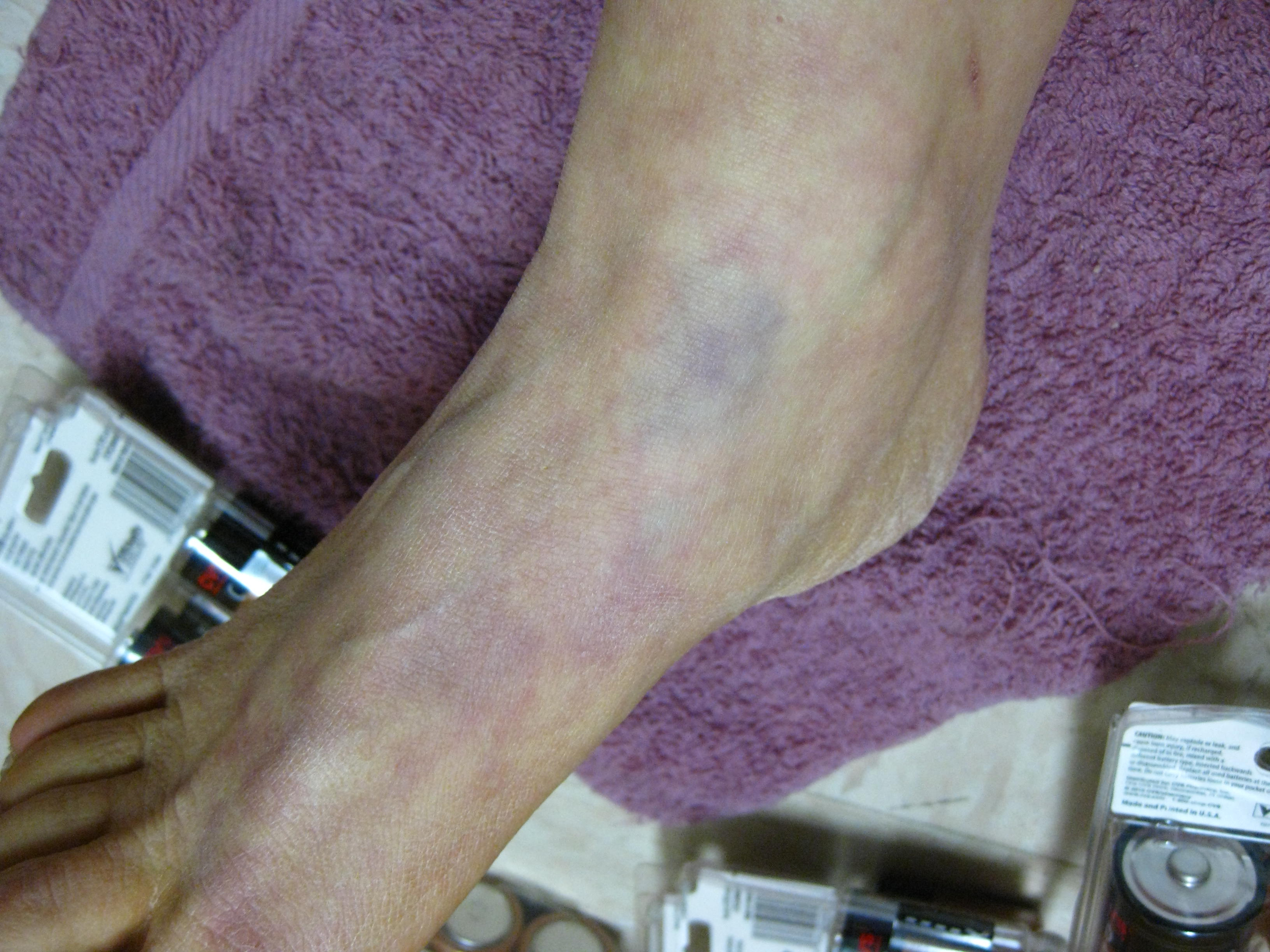

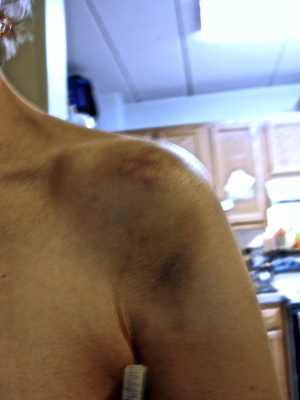
After burning my face with cigars and cigarettes, in response to command hallucinations, I spent the last month in Connecticut’s well-known Institute of Living (yeah the dangerous 6th month was JANUARY not February but nobody thought to check my math) being beaten up and trussed like a pig in four-point restraints almost daily for many many hours. Why did they deal me this sort of treatment? Why? Because “You do not follow directions”.
I DID NOT FOLLOW DIRECTIONS so they beat me up (despite my policy of non-resistance) and tied me, shackled me with leather and metal cuffs to a bed for dozens upon dozens of hours.! Time after time I had to defecate in my own clothing, because they would not even give me bathroom breaks. Get that? I was disobedient, so they shackled me to a bed as an excuse for treatment!
After this experience, I LOST ALL FAITH in the ability of any institution to do anyone any good who has a mental illness or sickness of the mind, or any emotional disorder or whatever you wish to call it. I GIVE UP! I will kill myself if anyone ever tries to send me back to such a cesspit of a place. I do not care if it is appointed like the Taj Mahal. NO ONE who works there is uncontaminated by the evil infecting such places. I may be the devil but I never wanted to be evil while they are ALL EVIL EVERY SINGLE ONE. I have NEVER been to a hospital where the people are kind and well meaning and where the treatment is actually kind and decent. Once in a while a single person, such as the Middlesex Hospital occupational therapist Christobelle Payne, may stand out in memory as being a rare human being of warmth and dignity and caring, but otherwise, they all to a one fail the test of being decent human specimens and all fail royally to be even normally humanly responsive to suffering persons. They are in it for the money and a cushy job, and don’t you forget it if you go into a psycho hospital, DO not expect to get well there. Expect deadening dulling drugs that never worked and the research tells so, and directions (ie ORDERS) that you HAVE To follow or ELSE.
Get out of there as quickly as possible, because your life depends on it. I am serious. DO NOT LINGER expecting care and treatment or to feel better no matter how helpful you might want it to be.
Furthermore. if you are a young person, do not listen to the sweet seductive advice that some may give you that you woul do well to go for “disability” and social security payments. THAT Is a load of total crapola and the worst thing anyone could tell anyone under the age of 40. Too many young people are being 1) told as children that they have Oppositional Defiant Disorder or ADHD, both of which are adults’ and psychiatrists’ ways of saying, “You don’t as we tell you to huh? Okay, then, we will label you mentally ill in retaliation!” But that is not the worst because they then “medicate” you young children or adolescents with Ritalin or SSRIs and if those cause the anticipated problems of irritability and anger management problems, and outburts and moodswings (!!!), then “add on” atypical antipsychotic drugs (and who would not think to themselves, in momentary awe and self-pity, “OOOh, I must really be Mentally Ill if I take an ANTI-PSYCHOTIC drug, right???”)
The thing is, they will justify these drugs with another label, a label imposed because you now have an IATROGENIC or doctor-induced, medication-caused illness, like some version of “bipolar”, or if they really dislike you, the untreatable Borderline Personality Disorder, which only means largely that you are youngish, female and emotional and angry and don’t shut up when they want you do. (Test: Do they want you in DBT classes? Then you have the BPD diagnosis, trust me. Dialectical behavioral therapy is FOR “borderlines” no matter how hard they argue that it is open all…)
NEITHER of these labels reflect your or anyone else’s REALITY, mind you, they are ONLY labels, and neither Bipolar nor borderline have ever ever been shown to be real bona fide physiological illnesses or even (for all the talk) genetic diseases. What is a “real mental illness” anyway? No one agrees on the diagnosis, in any one person, and no one can find any chemical test or neurotransmitter than it out of balance or even an anatomic difference between the ill and the well. They only have the person’s words and the doctors opinions… If you disagree, prove what you what to argue. Do not tell me, well Manic depression “runs in the family” because that is horseshit. Messiness and not making beds can seem to run in a family, you know why? Because NO ONE breaks the cycle and teaches the kids the value of neatness and making beds every morning. It matter where and how and WITH whom you grow up, and the myths you grow up with matter just as much. The notion that Manic-depression runs in your family is only that. A MYTH. but that doesn’t mean you cannot induce it or see it and make it real in your kids or yourself if you try hard enough.Lord knows teenaged angst these days is frequently dx’d as bipolar so jump on that bandwagon by bringing your child to a psychiatrist and they will be happy to oblige!
But do not think that your label of “Borderline” is something elevated and “nearly psychotic” as if that itself is anything superior to other MIs. Trust me, when someone else calls you Borderline it is shorthand for MANIPULATIVE, DRAMATIC, attention-seeking, devious, lying…if you like those words, go ahead and claim the diagnosis for yourself, but i doubt you will. So why do you vaunt it, and flaunt it? Do you not understand that the hospital and therapists actually hate your guts? Get a hold of your chart and READ IT. it is YOUR right and it might open your eyes to what those people REALLY think of you…It won’t be pretty or nice at all, but it will be instructive, and maybe you won’t want to be Mentally Ill with Borderline Personality Disorder any longer, hey?
Another few words as to young people going for social Security Diabilty: Someone asked me about this and my response is unequivocal. It is the very same trap that Welfare was for young mothers with too many children years ago…It had positives to it, but it ended up trapping many and many generations in poverty of the most extreme sport for, well, generations. Speaking just for myself, IF anyone had had the time to find out where my talents lay, in art and writing, and had been able to provide the community and home supports for me that I truly needed, rather than funding my rent and hospital stays largely, plus a visiting nurses visit to bring me medications. I might have blossomed and never ended up recurrently in the hospital for decades. I mean this from the depths of my broken heart. I was always an extraordinarily talented and intelligent person, and everyone knew it. At the same time, I had very real problems. But no one ever said, LET’S NOT FOCUS ON YOUR PROBLEMS. LET’S SEE HOW FAR YOUR STRENGTHS CAN TAKE YOU!
You know, I still cannot socialize or be away from home for long, and I cannot tolerate any 4- hour work day, far less an 8-hour work day…I do not have ordinary or “normal” stamina in any fashion. Narcolepsy is partly to blame and probably the mental issues and whatever else is at fault, I cannot say. But an extreme lack of stamina that eating well and exercise daily does nothing to help is a FACT of my existence. Nevertheless, I do not believe that I had to stay on Disability and “relief” all my life and be a leech on society…No, i just had no one from the ADA or any social services (god forbid a family member or friend) looking at my individual needs and assessing what I could do to earn a living and helping me, in deep and truly helpful way.,..I believe that my life might have been very different and more productive had the AMERICAN system not dumped me onto antipsychotic drugs and social security and essentially thrown me away…
But it will do it to you too, and you are assenting to it, if you go for disability at at young age. DO NOT DO IT. You will NEVER get free from those checks. NO ONE EVER DOES, unless they marry or get rich some other way…It is the worse decision you will ever make. I know that some living situations demand a check for rent, but don’t assent to their demands, make a radical decision to take charge of your own life, CHALLENGE the psychiatrist’s diagnosis. How long have they known you for anyhow???? Challenge the pills, or at least the dosage. DO YOU FUNCTION BETTER NOW???? that is the only question that matters. If not, the pills do not help. PERIOD. NEVER take any pill on a “For the rest of my life basis!”
Oh, I am so angry and broken at the moment that I cannot speak more. But if I can later on, I will say more to explain. At the moment, I have to attend to too many PHYSICAL bruises and to find a way back to sanity on my own, having been driven to the brink of near extinction by one of the best known hospitals in this state. At the moment I am both rigid with rage and so confused and broken that I scarcely know how to continue, or whether I even want to. Why bother? Why bother? How can people be such monsters, and in such monstrously powerful places and ways. I hurt so deeply and feel I will never trust an single person ever again when they say, “Come let us help you. You need our help.” YOUR help? Like being raped, I need your F—ing help!
GO jump in a lake of snot is what I should say to all of you so called helpers. I’d rather die. Go F— yourself.
As I wrote to Simon, Wow. Simon, Just WoW!
“You have to write the book that wants to be written. And if the book will be too difficult for grown-ups, then you write it for children.” ― Madeleine L’Engle Children see magic because they look for it.” ― Christopher Moore “It’s the children the world almost breaks who grow up to save it.” ― Frank Warren 



















These are two very different paintings, clearly…The top one is the one most people like. For obvious reasons, as it causes less pain…I did it for them. The bottom one is about me…but no one likes it though I don’t care. Both are for sale if anyone is interested. Please get in touch with me by email or comment box to discuss price and shipping…


I moved to Brattleboro Vermont on February 4, 2015, leaving my home state of Connecticut where I’ve lived for nearly 60 years. l had to move because of the horrific psychiatric abuses I experienced in Connecticut hospitals and my fear that if ever I were hospitalized again I would be killed.
I feel guilty, however, just getting out without accomplishing something to stop what continues to happen in Connecticut psychiatric units and hospitals.
The experience of mechanical four-point restraints – leather cuffs that are tightened around the wrists and ankles to immobilize a patient to a bed – or being isolated by force in an often freezing seclusion cell is almost universally terrifying. Nevertheless, both cell and/or restraints are routinely employed to curb loudness and undesirable behaviors at the Hospital of Central Connecticut on Grand Street in New Britain. I know this because I was subjected to both seclusion and restraints multiple times in the spring of 2014, despite a diagnosis of chronic paranoid schizophrenia, as well as PTSD that was triggered by precisely this sort of thing.
Bizarrely, the hospital psychiatrist, Dr Michael E Balkunas, treating me at HOCC challenged my PTSD diagnosis. “Patient misperceives her treatment as traumatic,” he wrote in my chart. Well, maybe so, but I don’t know how I can be accused of misperceiving three entire days callously abandoned alone, tied to the four posts of a metal bedstead at U-Conn’s Dempsey Hospital (for trying to escape the locked unit) as anything but brutality, even if it was in the 1990s. I also think it is nearly by definition traumatic to be forced to defecate in one’s own clothing while tied to a bed which is what they did at Hartford Hospital’s Institute of Living in the winter of 2013. This was after I was told to lie down and place my own limbs in the leather cuffs (“as a consequence but not a punishment”) for walking away from the very same “Side Room” that I had just been assured was “not a seclusion room unless you call it a seclusion room.”
Again, maybe I misperceived being grabbed and held face-down and nearly suffocated numerous times by staff at Yale Psychiatric Hospital in August 2013, who injected 10-20 milligrams of Haldol, a known drug of torture. Maybe this was just kindliness that I misunderstood as traumatic, maybe it was merely a “psychotic misperception” on my part? Maybe, and maybe not.
Nevertheless, the fact remains that in the ED of New Britain’s HOCC, a security guard in May 2014, grabbed me by my left shoulder immediately after he was warned by the nurse that it was my left shoulder that had a rotator cuff tear.
My New Britain chart records that I was admitted to that hospital, and to the IOL and others with a detailed Psychiatric Advance Directive, the first page of which states that seclusion, four-point restraints and forced medication invariably result in regression to “primitive states and severe worsening of symptoms.” It also makes several concrete suggestions how better to deal with me when I am upset. Even though I spent many hours on this document, Psychiatric Advance Directives have no legal clout in Connecticut and doctors can and do ignore them freely.
Perhaps because of this, HOCC staff literally forced me (“escorted me”) to seclusion and/or restrained me again and again. They took to stripping me “for safety’s sake,” and even though I put up no resistance, they had the male guards spread-eagle my limbs while still naked and put restraint cuffs on without even covering me.
Is it any wonder that what resulted was someone who would wash her hair in her own urine, defecate on the floor of her room and smear feces on the wall? Yet Dr Balkunas, the director of W-1, the general psychiatry unit at HOCC claimed that my trauma was imaginary. Why? Because treatment cannot be traumatic. He simply never got the connection between my horrendous decompensation and his so-called “therapy.” Maybe he never appreciated that he was torturing me, like a person who ripped the wings off butterflies as a child. Someone like that would not have understood how those creatures suffer either.
The site won’t let me sign up or comment so I am reblogging this and commenting at my site:
This Healthtap App is actually rather useless for those of us in long waiting lists for PCP care. Since you have to have an actual PCP to do Gutman’s virtual Concierge consultation, what good is the health tap app for most of us? Health tap basic refuses to answer any personal questions anyway…And what if this PCP doesn’t have the time to see us virtually at any time of day we demand?? ? Why would they with a flourishing and already busy in-office practice? I think the idea of virtual consultations with available on-line docs and specialists has tremendous potential, and could have safeguards built in, but to demand a prior face to face relationship just ties the hands of anyone who really needs health care. I live in rural Vermont where all the clinics have long waiting lists, one, and two it is very difficult for me, who has difficulty driving distances, to get anywhere…Virtual consults would solve MANY problems, but alas Health Tap’s solution is not there yet (possibly not its fault, but it is not the answer yet, not in its present form).Unfortunately, and I am ordinarily pro-regulation, but maybe not in this case, I think the earlier version of Health-Tap where you could pay a dollar or two to ask more detailed questions of available online docs for the general readership’s benefit, was more effective and helpful, than this trying to do too much that the government at present does not permit. The new Health-tap doesn’t seem to get anything quite right at the moment, alas. I know this will change. But is frustrates anyone wanting to try virtual medicine and being stymied at all corners..
Pam Wagner
Well, i hardly know what to add to these undeserved accolades, except to encourage trafffic at Marie’s site! She is a terrific mental health advocate and amazing person in her own right. Go take a look!
 Pammy herself
How it all started
I recall my post on who is a simpleton? I detailed my friendship with with massa Gaby, and although I don’t know what or if he was ever diagnosed with any mental illness (hardly the case back home you know – you go lun and you are abandoned by your family and all to roam the streets as you please), I see a lot of schizophrenia symptons there now.
When I became more active in the mental illness world, one of my first friends (now a precious member of my dear e family), was none other than Pammy as she is fondly called. Please, do yourself literary justice and read her about me page to understand once and for the umpteenth time that psychiatry destroys more than it helps and heals so far. Why let people with so much talent deteriorate so far…
View original post 570 more words
If this doesn’t make you happy, I am very sorry…I myself despite a massive migraine and fears of vascular bleeds found mysefl directing a virtual orchestra in the midst of my pain and by the end, PooF! magically it was GONE! Miracle of miracles!
8D
I wrote some or most of this in 2009 but I want to rewrite and update it..
Art, capital A, saved my life. It did more than that. Art gave me a new life, new hope, and something to get up for in the morning. It’s not that I’ve stopped writing. But I had been writing in a vacuum for a long time and needed an outlet for my creative urges that involved more than just my brain. Oh sure, writing involves the hands, too. But not in the way I mean. What I needed was, well, what do I mean? In some sense I needed more activity, if only because my poor brain shuts down and goes to sleep whenever I read, and it simply capitulates to narcolepsy whenever I am sedentary. I have indeed tried standing up while reading and writing, but this doesn’t work for someone whose feet swell very easily. And I find that standing up is just more distracting than anything.
But also I felt an intense to make things, create objects or works of art that could be seen and touched and even smelled and if scratched or thrown to the ground, heard. I had no idea in 2009 that in 2014 I might even write a couple of rap songs before I succumbed to the impulse to retreat into self-imposed total mutism. If I were VIncent Van Gogh, I might even want to taste my art, but I will try to stick to real culinary arts when that urge overtakes me as I do not at the present time wish to be poisoned by cadmium red etc. Nevertheless, despite my lifelong love for words, I still wanted to create something physical, not just an imagined or recalled world in words, however long-lasting.
I have always needed to work with my hands. I once wrote a poem called Hand Hunger which some silly psychoanalytic candidate insisted was sexual rather than seeing the references for what they clearly were, to making and creating and building with the hands, to MANUAL LABOR and not to — (sheesh!) masturbation! I mean, how stupid and dim can you get?
Anyhow, I needed to make something or do some sort of craft or artwork. Fearing/Knowing that I could not do “real art,” (YASS,that was ME only a few years ago, telling myself that I could never paint a face! Listen up all ye who think YOU can not do art!) that I was not the stuff of which true artists are made, I always gravitated towards the crafty side of things. (But pray tell, what stuff is that, Pamela?)
So even when I – on a manic whim – dove into sculpture, creating that llama-in-a-day, Dolly the Llama,

the result was mostly folk art, which is to say, unsophisticated, rustic, and at best a craft-like work. Sure, I was pretty proud that I’d made a lifesize animal that actually stood up firmly on its own four legs. But with a deli-container-head (underneath the papier mache) and huge mailing tube body, scarcely concealed, big enough to have once held a large amateur telescope, it didn’t look much like a llama. In fact, the result was not much more than that tube covered with a few layers of paper and glue, and all of it painted red. Nevertheless, I was happy enough with “Dolly the llama.” I have to confess though that it took me a entire year after the psychosis and mania were treated to finish her. Her saddle blanket have fooled many into tugging at the finge to see if it is real or not. a trompe-l’oeil — eye fooling — success that pleased me no end.
But a year-in-the-making was too much time to complete a craft or artwork, even a life-size llama. I came to dread the work by the time I got to applying the last few strokes of paint. You really need more drive than that to do art, but I didn’t seem to be able to sustain the energy or enthusiasm for much of anything. in fact, I’m not at all sure how I managed to write even my part of the book DIVIDED MINDS given those obstacles.
Then, during my hospitalization in 2007 it seems one obstacle was overcome: on Abilify plus the Abilify-tempering Geodon I suddenly had both energy and stamina* (see bottom of post for a later 2014 discussion of this). Or perhaps it is simply that the medications enabled a “well me” to come out, someone who could sustain an artistic effort, even if it was for the very first time. Given a different life I would have been doing this sort of thing all along had I known it was possible, had I had that kind of stamina… But I didn’t think about this, no, for me there was no looking back.
What I did not know at the time I wrote those words back in 2009, or at least the connection I was unable to make, was that I had actually been on that same antipsychotic drug combination for a several years before this sudden transformation. But in late 2007, however, a small vascular malformation in my frontal lobe hemorrhaged. This was a small bleed, to be sure, but I later felt and some doctors have also agreed this was not impossible, that the timing was such that the bleed itself might in some sense have been responsible for the sudden production of Decorated Betsy
and as my new-found compulsion to do art as well as the felt inability to stop…
Since that time I have jokingly said, “Well, a little brain damage (in the right place) never hurt anyone.” Of course, that is indeed only a joke. because brain damage almost always DOES hurt people. But in this case it seems to have wrought a miracle in my life.
Over the years since Dec 2007, I have created many pieces, large and small, from bowls to two large tortoises and two geese, even a “crazy fruit” bowl. Also a large seated man, a child detachable from her hassock (not quite finished) and several small birds. My female sculpture, the Decorated Betsy, even won a NAMI national contest on creativity and mental illness. But why tell you about them. I will upload a few photos instead.
I am going to try to show you them chronologically, but without the many bowls I have made along with way, except for a few that are particularly special to me. Note that all the sculptures incuding a few that are not shown here, have been donated to someone or some organization, However if anyone is interested in purchasing a new sculpture, I do accept commissions.
This is the Dream Tortoise, otherwise known as Yurtle the Turtle, which is about 3 feet in diameter. It was my second animal, but my first turtle.

The prescription that this brightly clad psychiatrist holds in his hand reads: Dr John Jumoke, Rx: Art, Poetry, Music. I thought, well, that is one shrink even I wouldn’t mind seeing!






*As for Abiilify and Geodon “causing” my stamina and better endurance? I dunno what to say? I have little social stamina even now. But I stopped the Geodon almost as soon as I restarted it. I just feared taking any drug that prolongs the QT interval, one, and isn[t even approved in Europe for heaven’s sake! Why is that? I can think of two reasons. One is that it is NOT effective at all, not even enough for them to fake-believe it, or two, it is too dangerous for the Europeans even to subject their mentally ill to it. There may be other reasons why the European Union declined to approve Ziprasidone, but I cannot think of any other obvious reasons.
As for the Abilify, well, I have taken it, more or less, since I was in Care Bed, largely because they got me onto it and I am scared, frankly to stop it…And yet, I do have to “get myself” to take it each and every day, stop myself from simply removing it from the slot in the pill tray that it is in…I should. slowly, but I am afraid, I confess. My therapist at the Northeast Kingdom Human Services told me yesterday that I came extremely close to having been forced into the hospital this month…and she is worried about me if I do not take the fricking drug. But I do not believe it does a danged thing for me, nothing bad either, nothing bad that tis obvious at any rate…But what will it do down the road, and what was that stuff going on with my mouth when I was OFF it??? I want to know but I know no one will tell me or even test me for TD, because they do not want to KNOW…They do not want toi know if the drug is causing brain damage because of the consequences of their KNOWLEDGE both from me and for them.
FUCK THEM and FUCK ME. I don’t know what to do. Everyone has an opinion and everyone has a different opinion and because I do NOT TRUST MYSELF to know myself or my needs, I listen to everyone at least temporarily. I listen to everyone! But I cannot trust what anyone, any one single person tells me, because I do not actually trust any single person to know a goddam thing about it OR to tell me the fucking truth. That is the problem. Even Nancy, the APRN, who admitted that the drugs were imperfect and very broad targeting, etc seemed to be too enthusiastic for them, rather than trying to find a way NOT to use them. But that may have been because I myself raised a stink about their having taken a WHOLE bottle of expensive pills (GEODON) from my bags at CARE BED and not returned them to me,…I did not like that one bit.
i mean, I am not going to overdose or sell the meds, but I want what I came in with, and they are MY pills, goddam it! Wh=at right does ANY one have to take them from me! So i partly agreed to the Geodon just to get my bottle of pills back, only then it turned out that they wanted to give me a weekly tray so I would try to be compliant …so I did not get the entire bottle only a week’s worth which I frankly am not even taking.
I do not want to take any pills except for what I FEEL in my soul I need! I NEED 1) methylphenidate, or I cannot stay awake to do anything, esp not to drive any farther than 10 minutes away, if even that. I start yawning about 15 minutes after I wake up…You may think this is a bad drug for someone with a propensity for psychosis but having narcolelpsy is NOT my fault…I cannot stay awake for the life of me. And that was true well before I ever took any other drug. 2) I need topiramate because I really fear seizures, and because if it just reduces my headaches by one a week, it is worth it. I take severall vitamins in larger than usual but not mega-doses. I take a very small dose of a thyroid medication also, which I would not want to stop…Do I NEED Abilify or Geodon? Some people who have known me for years and in and out of hospitals say “Yes, absolutely!” some others say, No, not if you reduce the dose very very slowly..”
I do not have ANY inkling myself, none at all, but I want to believe NOT…I do not feel that these drugs do a thing at all frankly. Except bad things, especially in the case of Geodon. I do not usually like it when people tell me what to do, but I wish wish wish in this case that SOMEONE with influence would indeed tell me what to do. Precisely..and convince me. But no one is in that position, not any more. I am just alone and fucked…My therapist practically said, no she DID say: f you end up in the hospital it will be no one’s fault but your own, because you won[ take the Abilify….What sort of thing is that to tell me??? Should I just accept that and be quiet or what? Is she right? I didn’t like it one bit. I felt utterly abandoned and scolded and also basically told, well, you heard! It WILL BE YOUR FAULT! YOU TAKE THOSE PILLS OR WE BLAME YOU!!!!
Enough of this shit…I should, I suppose, have written something about my gratitude for this lovely holiday, the original one that presaged a wholesale slaughter of our good “Indian” buds we had over for the first T-day…ha ha ha. And how grateful I am for this wonderful country that treats everyone “equally” and with compassion and kindness (justice? Oh well, we need not mention JUSTICE, need we?Justice goes without saying, don’t it???) Ha ha ha, of course if you are melanin-challenged you might not agree that justice nor social compassion…But some folks in MO, and a certain MO town these past few days and nights have come to a different understanding about such things.
Okay enough for the “holy-day” chatter from me for now.
Gotta go pace the driveway.

From KEVINMD.COM and Steve Balt’s WONDERFUL ThoughtBroadcast.com
Why I’m not sure that psychiatric medications work
STEVE BALT, MD | MEDS | JANUARY 25, 2013
I have a confession to make. I don’t think what I do each day makes any sense.
Perhaps I should explain myself. Six months ago, I started my own private psychiatry practice. I made this decision after working for several years in various community clinics, county mental health systems, and three academic institutions. I figured that an independent practice would permit me to be a more effective psychiatrist, as I wouldn’t be encumbered by the restrictions and regulations of most of today’s practice settings.
My experience has strengthened my long-held belief that people are far more complicated than diagnoses or “chemical imbalances”—something I’ve written about on this blog and with which most psychiatrists would agree. But I’ve also made an observation that seems incompatible with one of the central dogmas of psychiatry. To put it bluntly, I’m not sure that psychiatric medications work.
Before you jump to the conclusion that I’m just another disgruntled, anti-medication psychiatrist who thinks we’ve all been bought and misled by the pharmaceutical industry, please wait. The issue here is, to me, a deeper one than saying that we drug people who request a pill for every ill. In fact, it might even be a stretch to say that medications never work. I’ve seen antidepressants, antipsychotics, mood stabilizers, and even interventions like ECT give results that are actually quite miraculous.
But here’s my concern: For the vast majority of my patients, when a medication “works,” there are numerous other potential explanations, and a simple discussion may reveal multiple other hypotheses for the clinical response. And when you consider the fact that no two people “benefit” in quite the same way from the same drug, it becomes even harder to say what’s really going on. There’s nothing scientific about this process whatsoever.
And then, of course, there are the patients who just don’t respond at all. This happens so frequently I sometimes wonder whether I’m practicing psychiatry wrong, or whether my patients are playing a joke on me. But no, as far as I can tell, I’m doing things right: I prescribe appropriately, I use proper doses, and I wait long enough to see a response. My training is up-to-date; I’ve even been invited to lecture at national conferences about psychiatric meds. I can’t be that bad at psychiatry, can I?
Probably not. So if I assume that I’m not a complete nitwit, and that I’m using my tools correctly, I’m left to ask a question I never thought I’d ask: Is psychopharmacology just one big charade?
Maybe I feel this way because I’m not necessarily looking for medications to have an effect in the first place. I want my patients to get better, no matter what that entails. I believe that treatment is a process, one in which the patient (not just his or her chemistry) is central. When drugs “work,” several factors might explain why, and by the same token, when drugs don’t work, it might mean that something else needs to be treated instead—rather than simply switching to a different drug or changing the dose. Indeed, over the course of several sessions with a patient, many details inevitably emerge: persistent anxiety, secretive substance abuse, a history of trauma, an ongoing conflict with a spouse, or a medical illness. These often deserve just as much attention as the initial concern, if not more.
Although our understanding of the pathophysiology of mental illness is pure conjecture, prescribing a medication (at least at present) is an acceptable intervention. What happens next is much more important. I believe that prescribers should continue to collect evidence and adjust their hypotheses accordingly. Unfortunately, most psychopharmacologists rarely take the time to discuss issues that can’t be explained by neurochemistry (even worse, they often try to explain all issues in terms of unproven neurochemistry), and dwindling appointment times mean that those who actually want to explore other causes don’t have the chance to do so.
So what’s a solution? This may sound extreme, but maybe psychiatry should reject the “biochemical model” until it’s truly “biochemical”—i.e., until we have ways of diagnosing, treating, and following illnesses as we do in most of the rest of medicine. In psychiatry, the use of medications and other “somatic” treatments is based on interview, gut feeling, and guesswork—not biology. That doesn’t mean we can’t treat people, but we shouldn’t profess to offer a biological solution when we don’t know the nature of the problem. We should admit our ignorance.
It would also help to allow (if not require) more time with psychiatric patients. This is important. If I only have 15-20 minutes with a patient, I don’t have time to ask about her persistent back pain, her intrusive brother-in-law, or her cocaine habit. Instead, I must restrict my questions to those that pertain to the drug(s) I prescribed at the last visit. This, of course, creates the perfect opportunity for confirmation bias—where I see what I expect to see.
We should also make an effort to educate doctors and patients alike about how little we actually know. The subjects in trials to obtain FDA approval do NOT resemble real-world patients and are not evaluated or treated like real-world patients (and this is unlikely to change anytime soon because it works so well for the drug companies). Patients should know this. They should also know that the reliability of psychiatric diagnosis is poor in the first place, and that psychiatric illnesses have no established biochemical basis with which to guide treatment.
Finally, I should say that even though I call myself a psychiatrist and I prescribe drugs, I do not believe I’m taking advantage of my patients by doing so. All of my patients are suffering, and they deserve treatment. For some, drugs may play a key role in their care. But when I see my entire profession move towards a biochemical approach—without any good evidence for such a strategy, and without a fair assessment of alternative explanations for behavior—and see, in my own practice, how medications provide no real benefit (or, frequently, harm) compared with other treatments, I have to wonder whether we’ve gone WAY beyond what psychopharmacology can truly offer, and whether there’s any way to put some logic back into what we call psychiatric treatment.
These 100 things to do when you are sad was created by an 18 year old named “Natalie” and I think it is just wonderful. If you cannot find anything that cheers you up in this list, surely just the reading of it cannot help but distract you a wee bit from your sorrows. And if not, my suggestion is that you try to write your own, because that surely will! In fact, writing such a list is on MY list of things to do when I next need such a distraction, and if I ever need prompting, someone please remind me to do so.
By the way, if a certain Paloma happens to read this, please know that you did #30 on the list I have reblogged — I hope it was not because you were sad! But whether you know it or not, and despite the irritable nature of my response, you really made my day! You write about walking around with a smile? Well, that was what I did after I received your email. Thank you.
Ceterum censeo MAGA esse delendam.
The opinions expressed are those of the author. You go get your own opinions.
Kate Greenough's daily drawings
Réussissez toutes vos certifications de langues
Not your third grade paper mache
Portrait Art and Paintings by Jon Amdall
Books, papers and blogs by Joanna Moncrieff
"While I breathe, I hope"
My Life After Narcissistic Abuse
An intellectual, emotional and spiritual spittoon.
The latest news on WordPress.com and the WordPress community.
Everything Matters
Ceterum censeo MAGA esse delendam.
The opinions expressed are those of the author. You go get your own opinions.
Kate Greenough's daily drawings
Réussissez toutes vos certifications de langues
Not your third grade paper mache
Portrait Art and Paintings by Jon Amdall
Books, papers and blogs by Joanna Moncrieff
"While I breathe, I hope"
My Life After Narcissistic Abuse
An intellectual, emotional and spiritual spittoon.
The latest news on WordPress.com and the WordPress community.
Everything Matters



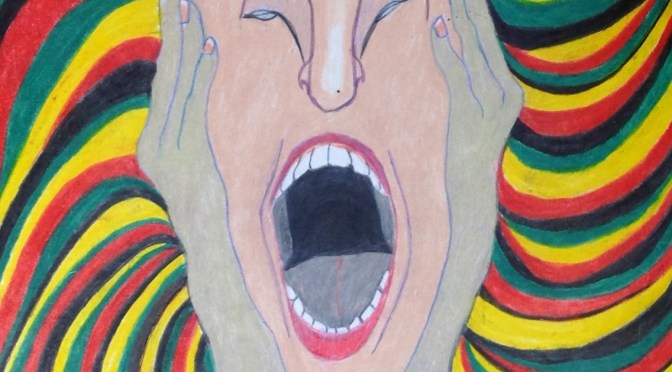



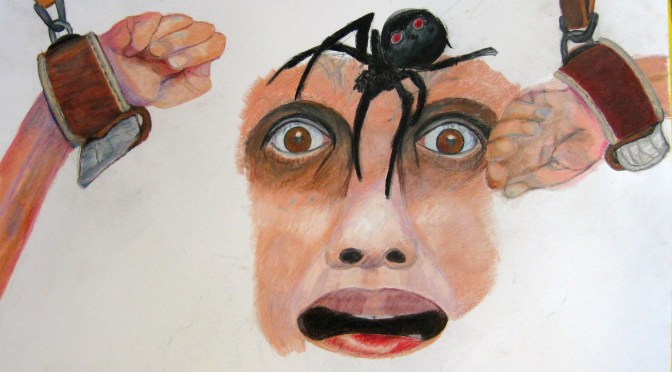
 WAGblog: Dum Spiro Spero